Wednesday, 1 September 2010

Broken Things by Livia Marin

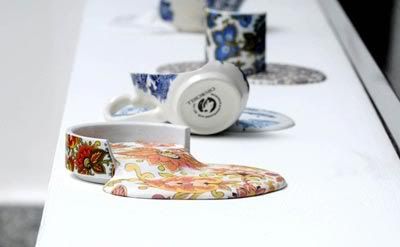
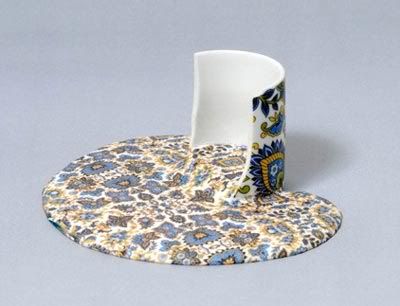
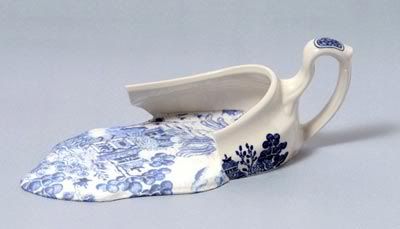
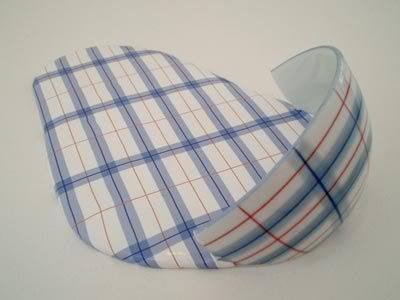
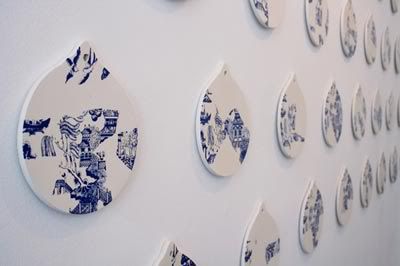
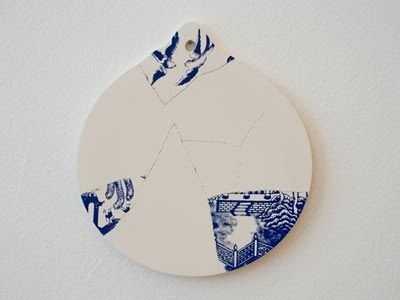
'Broken Things' by Livia Marin, an exhibition at House of Propellers, London is a group of 25 Porcelain and ceramic objects with resin plaster, lacquer, transfer-print, varnish.

'Beginning with forms such as a humble porcelain cup, bowl or jug, Marin turns familiar pieces into precious handcrafted art objects through distortion; essentially emphasising through imperfection their uniqueness and beauty.

Smooth melted rounds meet awkward corners, and pattern meets sheen and gloss in a collection unified by material and a swerve from the expected.'
- ME Design Magazine.

a+.  livia marin   via Read more...

Monday, 30 August 2010

Glaskasten in Marl- Wingardh Arkitektkontor

Glaskasten in Marl by Wingardh Arkitektkontor is an addition to the sculpture museum Marl town hall in Germany designed by Bakema and van den Broek in 1958-62.

'Long and narrow like a tube, but solid and unmovable like a block of concrete.

In between these two extremes stands the extension to the Marl town hall, designed by Bakema and van den Broek in 1958-62. 

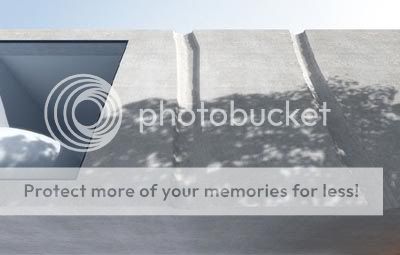
Their ponderous brutalism resounds through the massive walls of the ex-tension, where the trees on the site have been made to leave their imprint. A relief art work signed by artist Lars Bergström. 


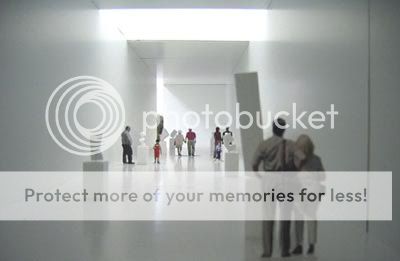
The position behind the main building makes the extension fall in with the pattern of the place. At the same time, its positioning above the glass boxes of the entrance and the café gives the concrete tube a lightness which is underscored by the long cantilever overlooking the lake. The 7x7 metre narrow art gallery is adapted to the purpose of accommodating temporary sculpture exhibitions. Clear incident lighting from large apertures in various directions varies the character of the 85-metre-long room and links it to the sculpture park outside. A new catwalk over the refurbished piazza points the way directly to the new entrance. The project was given the first prize in an international competition. '
- Wingardh Arkitektkontor.


a+.   wingardh arkitektkontor   via
Read more...

Thursday, 5 August 2010

From Fable to Table

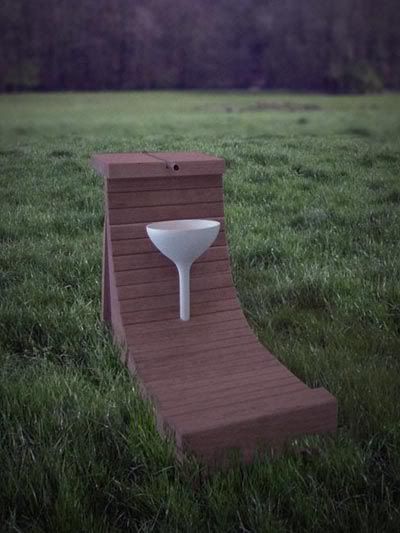
Photo by Rene van der Huls.
'From Fable to Table' by Amelie Onzon for her graduation project, explores the extremes contradiction of human-animals relationship:
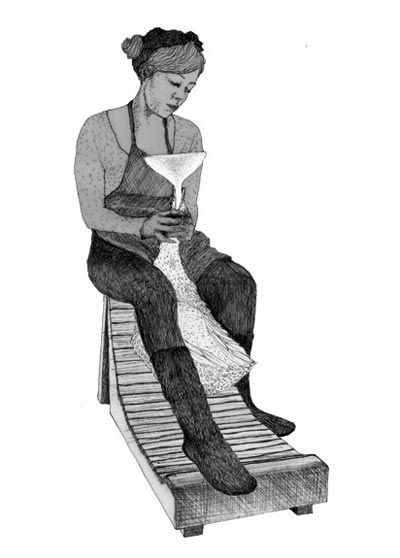
1. we love animals, nurture them, name them and share our daily life with them. In some extreme scenario, we treat them like human beings.
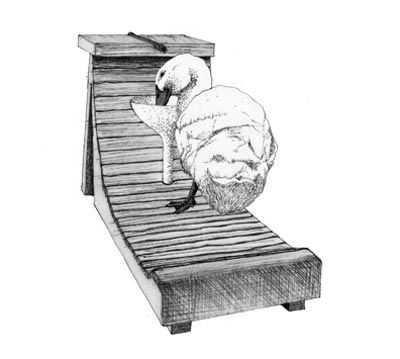
2. we love animals, nurture them, name them and share our daily life with them. In some extreme scenario, we treat them like human beings.

Amelie Onzon chooses duck as the protagonist of her story because ducks are both easy to domesticate and very tasty. She then designed 2 furnitures and let the user decide whether they will use these furniture to produce foie gras or give their pet/ the duck a more comfortable life.

Facts:
'Ducks force-feed themselves before migration. That's precisely this behaviour that inspired the foie gras. The bird is force-feed with grain and fat using a funnel until the liver expands to the right size (the organ can swell to up to 10 times its normal size.)'
- We make money not art.
Amelie's Force Feeder is a duck feeder that doubles as a force feeding stool. The ducks bowl is also the force-feeding funnel. An irrigation system softens the food to make it edible.

As a duck force feeding stool.
As a duck feeder.
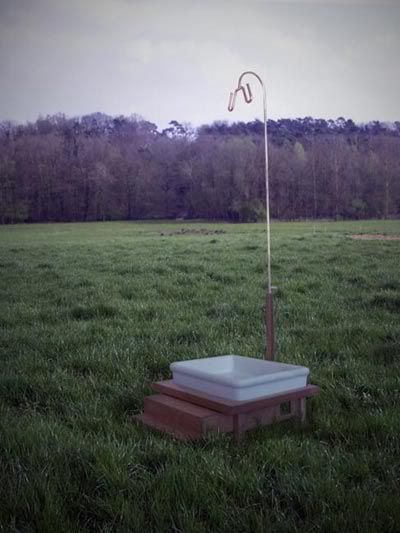
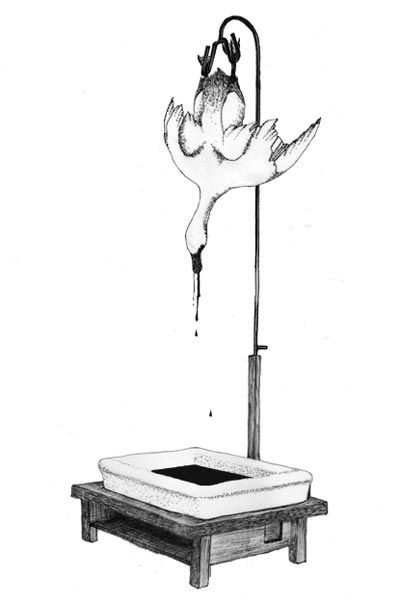
For the foie gras process, the liver has to be blood free. Therefore, after force-feeding period the blood vessels in the duck throat are cut and the duck bleeds to death. Blood Bath acts as a pond and shower for the duck but also a hook to suspend the animal for its execution. The blood can be collected in the sink.
As a pond and shower for the duck.
As a hook to suspend the animal for its execution. The sink that for collecting blood.

a+.  amelie onzon
a+.  rene van der hulst   via
Read more...